
Kobe Biomedical Innovation Cluster (KBIC)
- TOP
- KANSAI Startup Ecosystem
- Kobe Biomedical Innovation Cluster (KBIC)
Kobe Biomedical Innovation Cluster (KBIC), Chuo-ku, Kobe
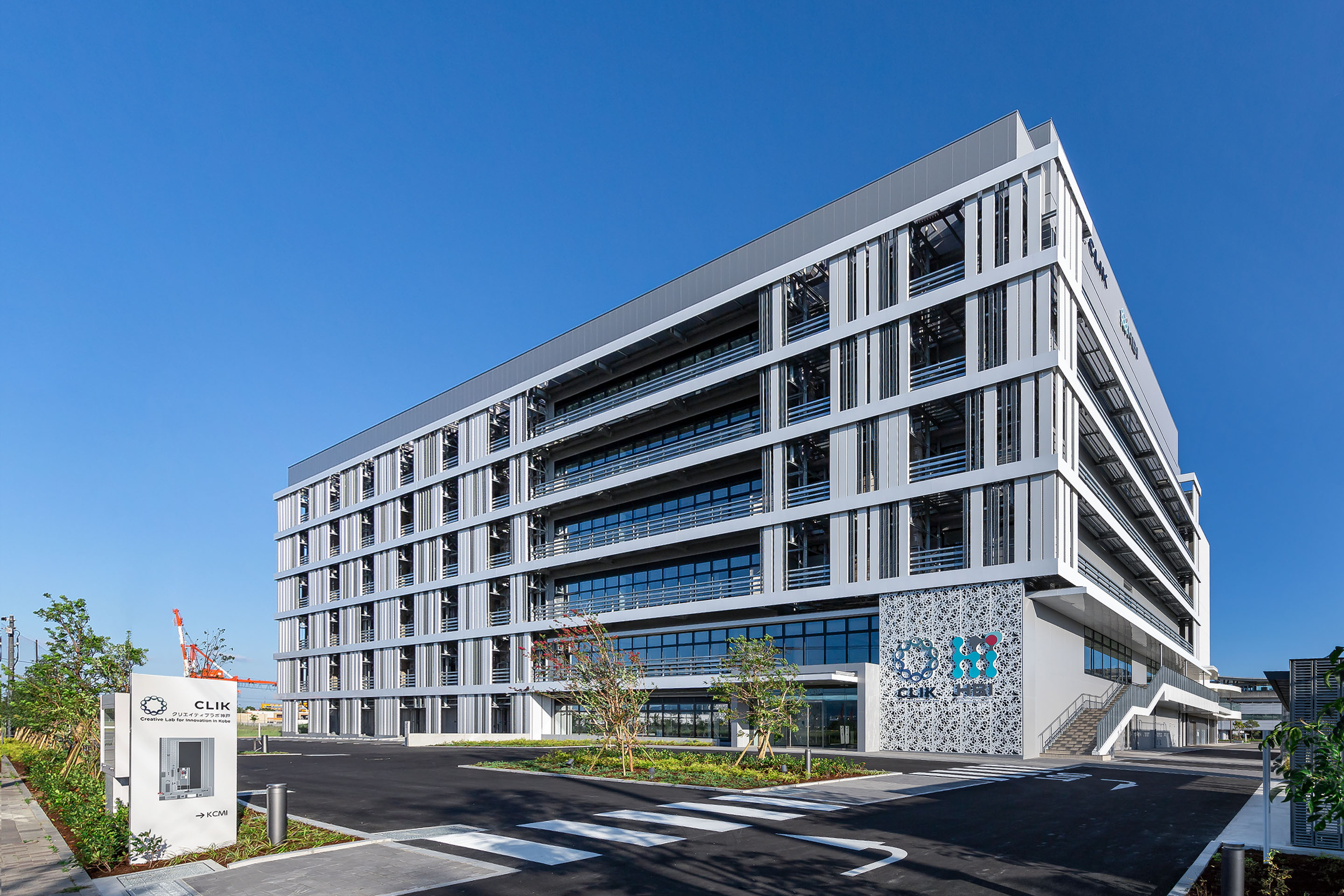 Located on Port Island, an artificial island in Kobe Port, the Kobe Biomedical Innovation Cluster (KBIC) is a major hub for the medical industry. Spanning approximately 1 km east-west and 1.5 km north-south, the district comprises three key clusters: (1) the "Medical Cluster" which includes eight hospitals, (2) the "Bio Cluster" of RIKEN and other research institutions, and (3) the "Simulation Cluster," home to the supercomputer Fugaku. The close proximity of these clusters facilitates active collaboration, driving medical innovation in partnership with related companies. Notable achievements include the world’s first iPS cell transplantation surgery, dental pulp regeneration therapy, and the development of surgical support robots.
Proactively Facilitating Exchanges with U.S. Investors to Drive Medical Innovation
KBIC is one of Japan’s largest industrial clusters in the life sciences, bringing together companies engaged in regenerative medicine, drug discovery, and advanced medical care, as well as hospitals and research institutions. The cluster also fosters “bio-manufacturing,” which leverages the potential of living organisms to develop pharmaceuticals, foods, new crop varieties, and construction materials. With this robust infrastructure, KBIC places a strong emphasis on supporting the growth of startups, especially those in the seed and early stages.
Expert Advice from Life Science Advisors
Approximately 350 companies and organizations—including startups, research institutes, medical device manufacturers, pharmaceutical companies, and hospitals—are based in KBIC. Among them, about 70 are startups primarily focused on the life sciences. To provide continuous support, KBIC has established the “Life Science Startup Ecosystem Kobe,” One key initiative within this ecosystem is the “KBIC Life Science Advisor” program, where specialists from business, patent, and legal fields offer expert advice on practical issues related to pharmaceuticals and medical devices.
KBIC also offers extensive office and R&D facilities, with 16 rental lab and office buildings currently in operation, and two more rental labs scheduled to open between 2026 and 2027. A key base for startups is the “Creative Lab for Innovation in Kobe (CLIK),” which features wet labs for handling liquids, gases, chemicals, and cells, as well as an Innovation Park capable of hosting pitch events for up to 100 participants.
Accelerator Programs to Open Overseas Markets
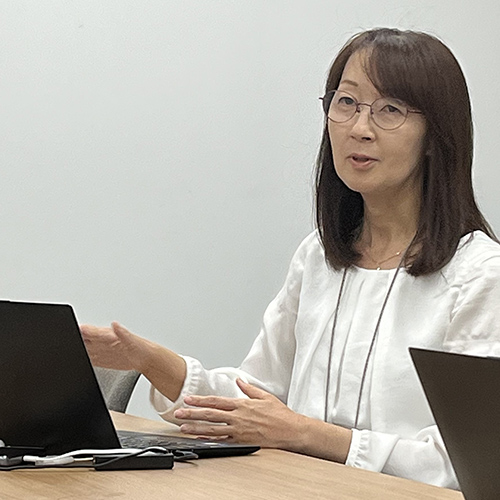
Since life science startups require significant funding, KBIC actively connects them with overseas players to accelerate their global reach. “We support startups so that they can succeed more quickly,” says Keiko Kobayashi of the Foundation for Biomedical Research and Innovation at Kobe. As of April 2025, KBIC’s network includes 71 VC/CVC and financial institutions (Comprising 110 individuals), with 25 overseas companies (representing 30 individuals). In June, KBIC organized an event in Boston to foster connections with U.S. venture capitalists.
To support startups in expanding into international markets, KBIC operates the Kansai Life Science Accelerator Program (KLSAP). Between 2022 and 2024, 87 companies applied, and 19—specializing in areas such as AI drug discovery, regenerative medicine, and medical devices—were selected as finalists for pitch event. These companies had the opportunity to present to primarily U.S. investors and participate in online mentoring sessions. As a result, five companies have successfully entered or are preparing to enter international markets.
Comprehensive Support Across All Startup Stages
Starting 2025, KLSAP has been further enhanced, with new initiatives to support early-stage startups and provide seamless support from pre-seed to mid-stage development. Program graduates continue to receive ongoing support from the KBIC Life Science Advisors.
Kobe Airport, located near KBIC, will begin operating international charter flights in 2025 and is expected to offer scheduled international flights around 2030. With improved international connectivity, startups that have refined their capabilities through KLSAP are expected to accelerate their global strategies.
Case Study: United Immunity Co., Ltd. – Developing Cancer Therapeutics with Nanoparticle Technology at KBIC
Boosting Immunity to Treat Cancer with Nanoparticle Technology
United Immunity Co., Ltd.
According to the National Cancer Center Japan, one in two people in Japan will be diagnosed with cancer during their lifetime, making it the nation’s leading cause of death. As the race to develop next-generation cancer drugs intensifies, United Immunity (based in Chuo-ku, Kyoto) is leveraging resources at KBIC to develop pharmaceuticals using nanoparticles on the nanometer scale—about 1/100,000th the width of a human hair.
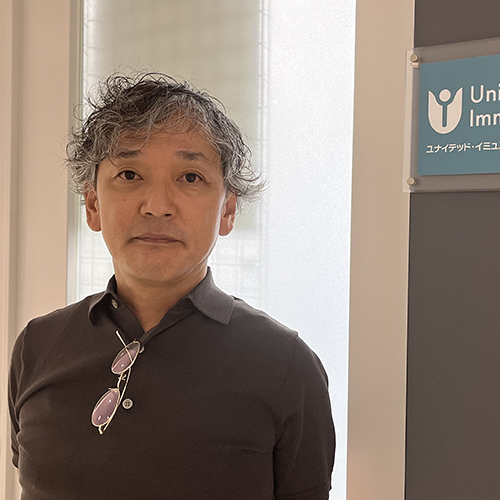
Naosumi Harada, Chairman & CEO, United Immunity Co., Ltd.
Harada holds a PhD in Medicine from Kobe University and has conducted research on cancer immunotherapy and molecularly targeted drugs at Mie University and other institutions. He founded United Immunity in 2017, utilizing core technologies developed through interdisciplinary research.
Access to Animal Testing Facilities Was the Deciding Factor
United Immunity is a research-driven biotech startup focused on the human immune system, with nearly half of its 30 employees holding doctoral degrees. When Harada founded the company at Mie University in 2017, it operated in the university’s incubation facilities. However, because the immune system is too complex to replicate in vitro, animal testing is essential for evaluating drug efficacy and safety. As regulations on animal testing have tightened due to animal welfare and environmental concerns, it has become increasingly challenging for startups to access suitable facilities.
Cluster Support from Hospitals and Pharmaceutical Companies
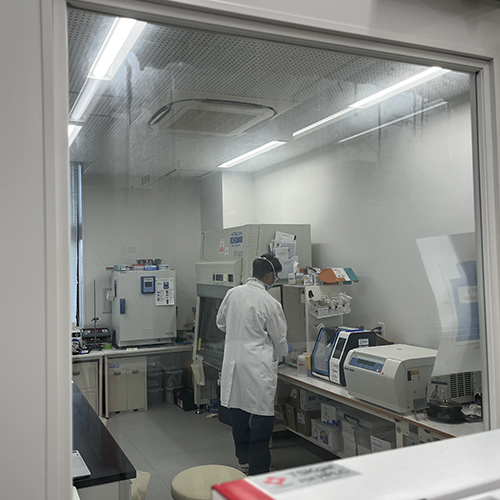 KBIC was chosen as the company’s new base because it offers rental labs equipped for animal testing and rental offices with meeting rooms, as well as subsidies from Kobe City to help reduce costs. Its strong transportation infrastructure was another advantage.
The support network of hospitals and pharmaceutical companies within the cluster was also key. The KBIC Promotion Organization quickly introduced potential collaborators, facilitating joint research with pharmaceutical firms and helping secure national grants.
Developing Innovative Drugs That Harness the Immune System
United Immunity focuses on the immune system, which not only eliminates pathogens and cancer cells but also maintains the physiological functions of organs like the lungs and brain. When immune function declines, it can lead to infections and cancer; when it becomes overactive, it can cause autoimmune diseases and fibrosis. For example, fibrosis can lead to severe conditions such as kidney failure or cirrhosis. While some drugs for fibrosis have been approved, cure rates remain low, making it an even more challenging disease to treat than cancer. United Immunity is dedicated to developing innovative drugs that harness the immune system’s mechanisms to address such conditions.
Delivering Drugs Selectively and Efficiently to Key Immune Cells
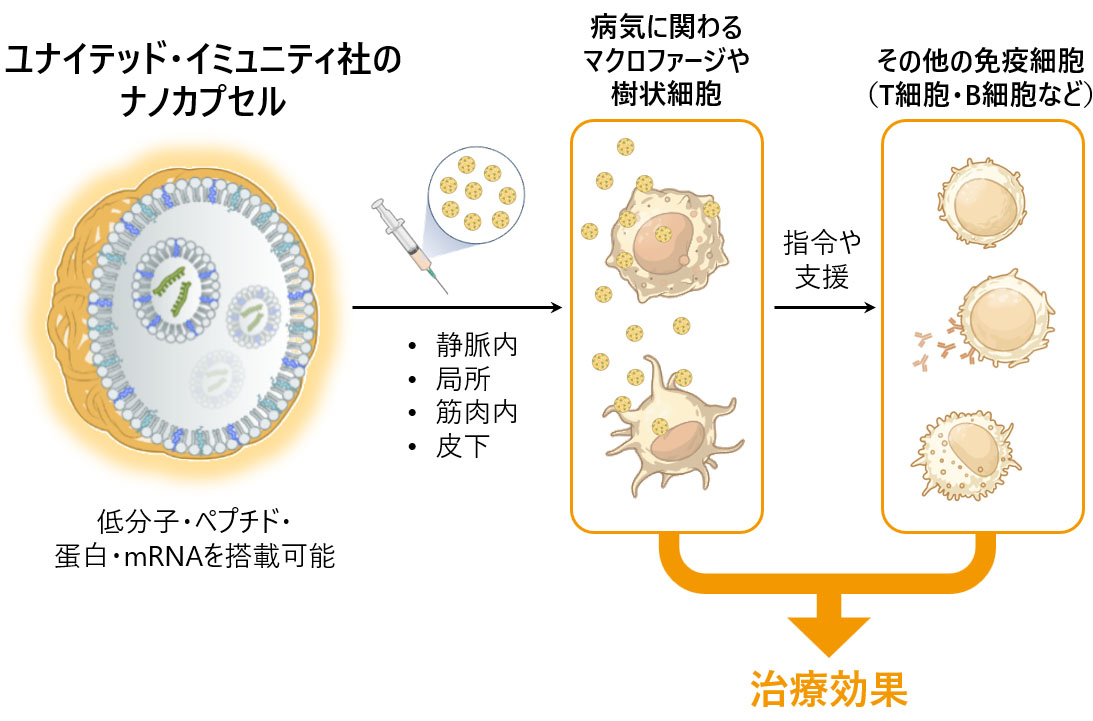 The company’s core technology is a “sugar-based capsule.” These capsules—nanoparticles much smaller than cells—are capable of carrying various therapeutic agents. This technology enables the selective and efficient delivery of drugs to key immune cells, such as macrophages and dendritic cells, which play a central role in disease initiation and progression. By enhancing or normalizing the function of these cells, the company aims to treat diseases and prevent infections. Recently, United Immunity successfully encapsulated messenger RNA (mRNA)—well-known for its role in COVID-19 vaccines—greatly expanding the range of potential therapeutics. Compared to traditional capsules used in COVID-19 vaccines, United Immunity’s technology offers advantages, including targeted delivery to immune cells, reduced side effects like allergies, and improved storage stability.
Pursuing Both Drug Discovery and Platform Business Models
The company’s immediate focus is cancer treatment, with proprietary anti-cancer drugs based on its capsule technology already demonstrating strong efficacy and safety in animal studies. Clinical trials in the U.S. are scheduled to begin as early as next spring. Additionally, research is also underway to develop future products targeting fibrosis and autoimmune diseases. Beyond proprietary drug development, United Immunity is licensing its capsule platform technology—adapted for various therapeutic agents—to pharmaceutical companies in Japan and internationally.
For drug discovery startups, securing the large amounts of funding necessary to deliver new medicines to patients is critical for survival. Until now, United Immunity has engaged exclusively with domestic investors; however, moving forward, the company plans to leverage KBIC’s international investor network to accelerate fundraising efforts and expedite the delivery of its innovative drugs to market.